After an argument with a friend about the nature and definition of being "thin" in society, and how that definition has evolved, I have begun to give a lot of thought to the nature of the waist.
Some form of stays (boning or structuring of an undergarment made to modify the shape of the torso) or waist cincher, has ostensibly existed since 1000 B.C., but the rudimentary form of stays we associate with the corset came into fashion around the 15th century.

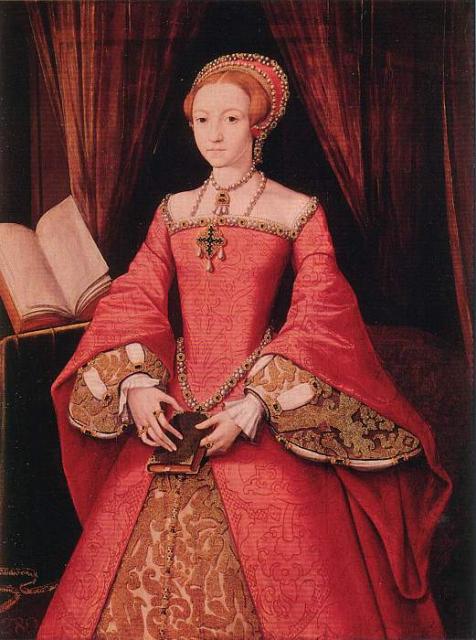
These laced all the way to the hip, and along with thick petticoats and the fashionable square neckline, was meant to emphasize the bust, an elongated torso and a "handspan" waist. Take Queen Elizabeth I in her teen years for example:

The corset grew more constricting as the skirt grew wider, until we come to the late 18th century, a time in which panniers grew so wide, hair so tall and waists so narrow, that clothing truly became a pageant of the ridiculous

Cases of misformed organs and cracked ribs run rampant among women looking to shave off that extra half inch with rigid metal and whalbone busks. To those of you who think that the eating disorder is a modern incarnation of a modern fixation, think again.
Clearly a backlash was coming. After the French Revolution and during the early Romantic period, fashion experienced what is known as the Regency period. A time that favoured dresses of simple silk and chiffon in pale colours with puffed or narrow leg-of-mutton sleeves and empire waists. Corsets were less restrictive, with less boning and looser lacing. This is where we usually get our visual references for Jane Austen herioines.

During the 20th century, the cycles of rejecting and embracing the waist by equal turns came even faster. During the twenties, lanky, slender figures with flat, broad waists and small breast became all the rage, to best acessorize the new acreage of skin being shown off in backless gowns and short skirts.

While the 40's reverted back to the nipped in waist and full skirt...

The 60's were all about "the sack" the "tent", the trapeze and shift dresses

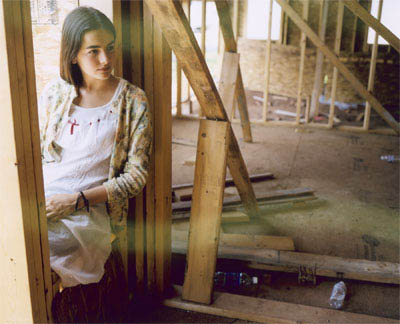
The 90's was all about a small waist emphasized by a crop top, high waists, or a combination thereof.

By the time we moved into the present decade, things were really moving at hyperspeed. First there was the lowslung belt, made to emphasize low-rise jeans and jutting hipbones:

Then the belt got wider and were worn in bright patent colours at the waist (the local girls still love this one)

More recently was this nasty business of the resurge of sixties proportions. As you can imagine, it was hell for anyone of an hourglass or pear-shaped bodytype or simply a very petite stature. I don't think I bought any blouses or dresses for over a year, just because I didn't feel like wearing a belt with everything I own to avoid looking like a sad sack or a five year old.

Now we're coming out of "bodycon". The resurgence of an 80's trend, largely responsible for the revival of Herve Leger's bandage dresses, it was hailed as "the anti-trapeze", and as a celebration of healthier figure and womanly curves. The problem with this concept is that stretchy, spandex materials are not very flattering on "curves" not unless they have been methodically pilates-toned or Godgiven.

I suppose my complaint of the treatment of the waist in recent fashion is that it leaves no other flexibility for a body that's not naturally slender to exist in a flattering and fashion forward member. We constantly find ourselves buying things we're not comfortable in and constantly trying to work our bodies around them, rather than the other way around.Unlike fashions of the past, which emphasized simply using fashion to tweak your own physique into the favoured proportion, the only options left to be best served by trapezes, drop waists and body cons is simply to be tall, and barring that, to be as thin as possible. Even now, we are not safe, as the 90's crop top is finding favour with edgier souls than myself. In a lot of ways it's even more unforgiving than essentially wrapping your torso in spandex, there is no place for stomachs to hide. Better start doing those crunches, now, rather than later...